
The following letter to the editor originally appeared in the May 29, 2026 edition of the Winnipeg Free Press.
Staff museum properly
Re: Delta blues (May 26)
The recent news that the Manitoba Museum is being forced to decommission its treasured Delta Marsh and Rye Farm diorama after 23 years is heartbreaking, but not surprising to anyone who has been paying attention to the slow-motion decline of Manitoba’s flagship museum.
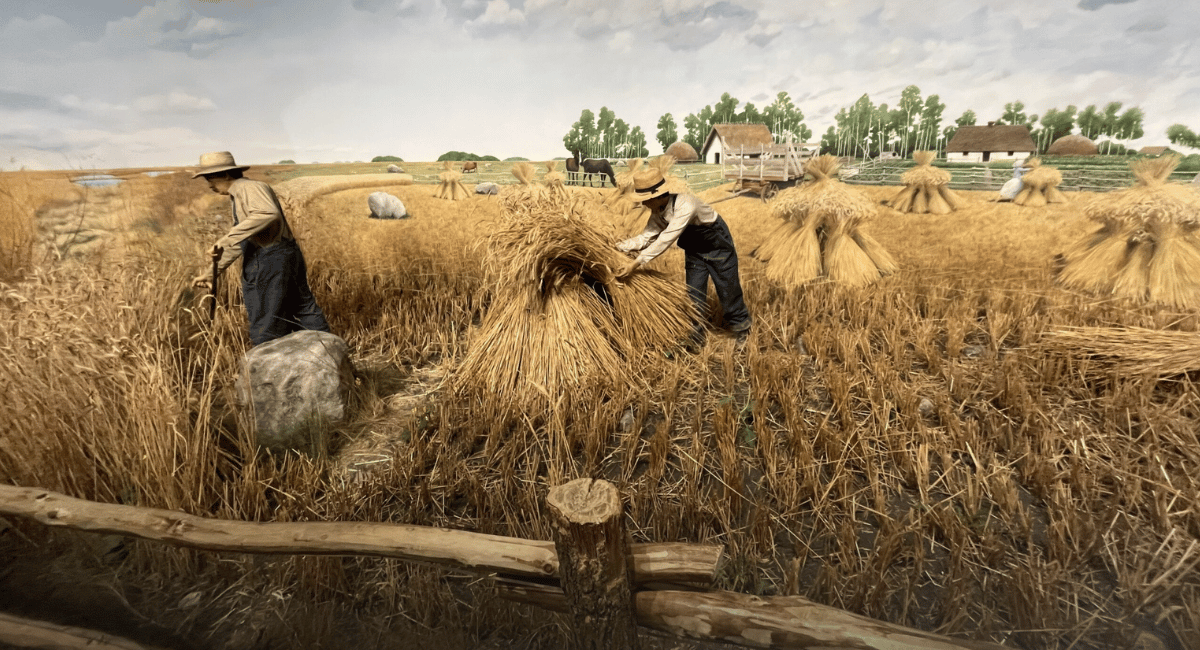
The dismantling and packing away of the diorama, depicting a Ukrainian immigrant family farming in the 1920s and the iconic Delta Marsh with its amazing biodiversity, is only in small part because of the pests that threaten to irreparably damage the featured exhibit.
The reality is that 19 years without an increase to provincial operating grants by successive governments have left the museum without enough staff to care for the collection. This short-staffing has also led to the cessation of summer day camps for children; the elimination of the overnight sleepover program; reduced hours at the Museum shop; less box office, visitor reception, and gallery staff; and fewer courses, public events, and curriculum-based school programs available to Manitobans.
This institution, built and modelled to tell our province’s story, is in willful decline because funding has flatlined. The result is an over-reliance on attendance and sponsorship revenue streams — both of which are scarce during periods of high inflation and economic uncertainty, such as right now. What the museum needs is a more stable and predictable funding stream that keeps up with inflationary increases.
The museum has done its best to weather economic storms in the past by finding creative ways to raise revenue and decrease spending, but this has come at a cost. There are 20 fewer staff members currently working at the museum than there were six years ago— a 27 per cent drop — leaving fewer hands to curate artifacts or design dioramas such as the Delta Marsh, and fewer conservation staff to look after the exhibits and artifacts that naturally deteriorate over time.
While much-needed capital funding for upgrades and refurbishment flows more regularly, the heart of the museum is the staff who curate and care for the 2.9 million historical artifacts, conduct research, respond to inquiries from the public, and process new donations. These people enable the museum to produce high-quality exhibitions and deliver programs, while staying current with scientific discoveries and modern conservation techniques.
Museums do not preserve themselves. They depend on skilled professionals who keep our history alive. To help them do that, the Manitoba government must provide stable operating funding that keeps up with inflation and reflects the true value of this work, so that the Manitoba Museum can continue to tell our province’s story with the care and dignity it deserves.
Kyle Ross
President, Manitoba Government and General Employees’ Union
Winnipeg